We Need Your Superpower.
How to implement activities based on diversity.
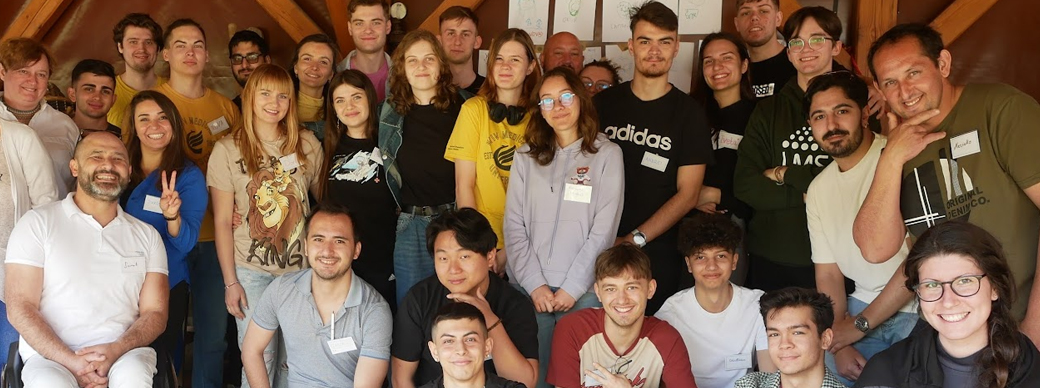
We Need Your Superpower. How to Implement Activities Based on Diversity
As part of the Erasmus+ Program, a training course titled "We Need Your Superpower. How to Implement Activities Based on Diversity" was held from April 6-14, 2024. The activities took place at the "Hajstra" Agritourism Farm in Huta Polańska, located in the Low Beskids, in southern Poland (Jasło County).
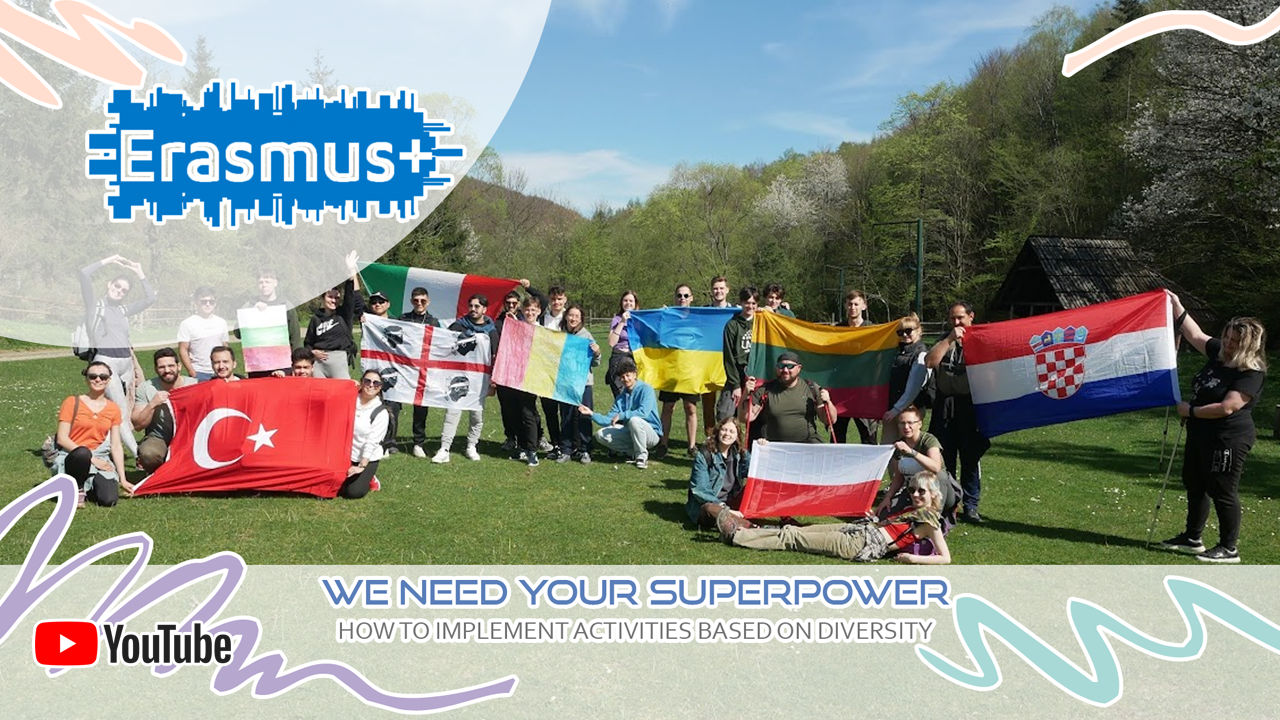
Participants from eight countries attended the educational mobility: Italy, Bulgaria, Croatia, Romania, Turkey, Lithuania, Ukraine, and Poland. These were social and youth workers, youth leaders, trainers, teachers, and educators who: wanted to deepen their knowledge on supporting young people with fewer opportunities participating in projects; wanted to organize activities using the methods proposed in the project; and were motivated to pass on the acquired knowledge to young people in their organizations and countries.
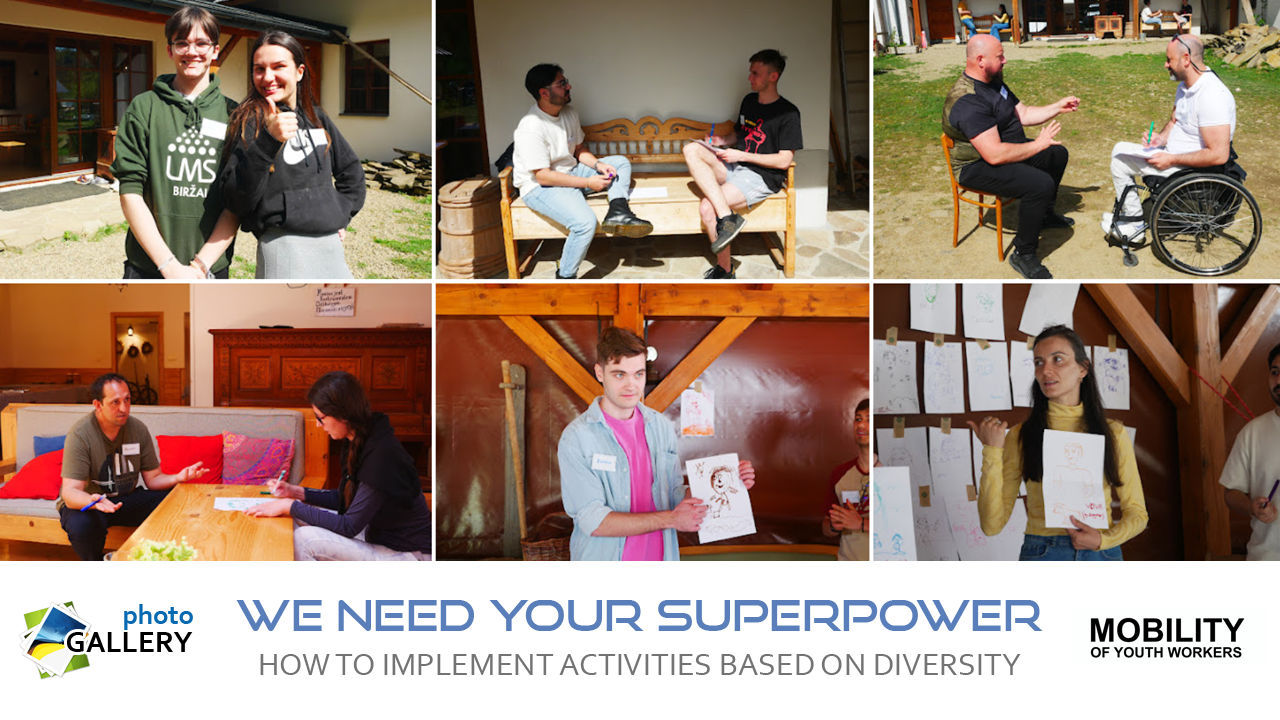
The activity program was extensive and included, among others, collaboration at the center, study visits, and cultural evenings. The workshops were based on art therapy, hippotherapy, music therapy, and yoga. Thanks to these, youth workers developed skills in expressing their emotions, recognizing them, and coping with them. An important aspect was addressing mental health and supporting youth with fewer opportunities.
Music therapy is a therapeutic method based on the healing effect of sound on humans. Musician, composer, and music therapist Piotr Dorotniak helped participants during the training to realize that it truly works. It was also a group-building activity. After some time, participants could play together as a real music band.
During the urban game in the city of Bardejov, Slovakia, participants were able to learn about the culture and history of the borderland. At the Jan Szafrański Educational-Museum Center at Magura National Park in Krempna, youth workers learned about nature education methods that engage in activities for the natural environment. There was also a meeting with students from the Mikołaj Kopernik High School in Nowy Żmigród, during which participants introduced the project topic and the goals and assumptions of the Erasmus+ Program to the students.
There was also time for conversations, fun, integration games, and sharing experiences related to participating in Erasmus projects. During cultural evenings, each country had the opportunity to present its culture to participants from other countries.
We Need Your Superpower (YouTube)
We Need Your Superpower (Photo Gallery)
Project Partners
The applicant for the project was the "Inicjatywa" Foundation for Local Community Development from Łężyny in the Nowy Żmigród municipality.
The foreign project partners were non-governmental organizations:
- ARTECO Pavletić (Croatia)
- Asociacija Profesinių Iniciatyvų Tinklas "Jaunimas ir Suaugusieji" (Lithuania)
- Coda di Lupo (Italy)
- Cuzisti Implicati Organization (Romania)
- Global Entrepreneurial Disabled Association (Turkey)
- Health Growth – Center for Personal and Cultural Development for Children and Youngsters (Bulgaria)
- Non-governmental Organization "ACTION" (Ukraine)
